
Contact us


All Case studies
National Academy of Medicine
National Academy of Medicine: Rebuilding Trust in Evidence-Based Health
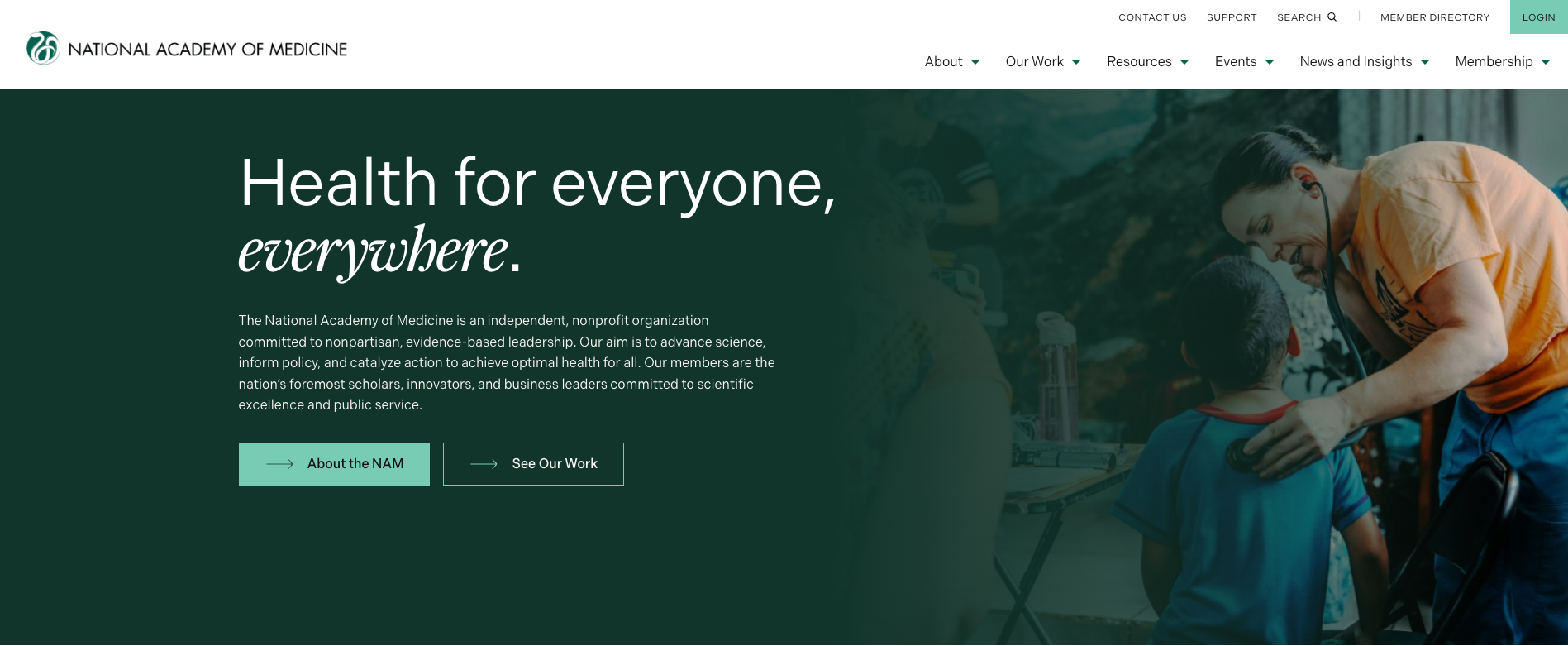
Social Driver partnered with the National Academy of Medicine, the nation's most trusted independent source of evidence-based health guidance, to reimagine how they communicate with the world. What began as a website redesign became a four-year digital transformation: redefining audiences, rebuilding brand voice, relaunching NAM.edu, and developing channel strategies across social and search so that NAM's groundbreaking research could reach the clinicians, patients, and communities who need it most.
how we helped
Audience Research
Brand Development
Branding & Identity
Content and UX Strategy
Content Strategy & Production
Research & Digital Strategy
Responsive Website Design
Search Engine Optimization (SEO)
SEO Research
Social and Digital Media Strategy
Social Media Creative
Advertising
Social Media Optimization
Strategy & Messaging
User Experience (UX)
Web Design & Development
Website & Technical Strategy
Website Optimization

For the first time, NAM.edu truly speaks to the full range of people we exist to serve, from researchers and policymakers to clinicians and communities. Social Driver made that possible.
Karen Bacellar
Deputy Director, NAM Communications, National Academy of Medicine
Challenge
From the Ivory Tower to the Public Square
For decades, the National Academy of Medicine served a clearly defined audience: policy makers, researchers, and academics who relied on NAM for independent, evidence-based guidance on health and medicine. Then COVID-19 changed everything.
Medical misinformation spread rapidly across social media, podcasts, and search engines, and even NAM's most authoritative research was being misunderstood or misrepresented in public discourse. Meanwhile, frontline clinicians, patients, and families who needed trusted guidance most had no real pathway into NAM's world. Stakeholder interviews confirmed the challenge: the organization's digital presence had been built for insiders, used academic tone and structure that alienated broader audiences, and lacked the storytelling, accessibility, and navigation clarity needed to welcome anyone new to the work.
NAM recognized it could no longer operate from an elevated distance. To restore public trust in science, it needed to come down from the hill and speak directly to the communities it had always served indirectly.
Solution
A New Communication Strategy, Built from the Ground Up
Social Driver began with deep discovery: stakeholder interviews across NAM's leadership, program teams, communications staff, and external partners; a content audit of the existing site; a competitive landscape analysis of peer organizations; SEO and keyword research; and Google Analytics review. From that foundation, we developed a comprehensive findings report outlining seven strategic recommendations, which we presented directly to NAM's board of directors and senior leadership team. That report became the strategic roadmap for everything that followed, guiding two years of execution across audience development, brand voice, website redesign, and digital channel strategy.
The first priority was audience clarity. We developed detailed personas representing not just NAM's traditional policy makers and researchers, but also the clinicians, nonprofit leaders, and community members that NAM now needed to reach. With those priorities established, we built an overarching brand and communication strategy to guide how NAM would speak to each audience differently, because the language, tone, and framing that resonates with a health policy researcher is fundamentally different from what reaches a patient or a frontline nurse.
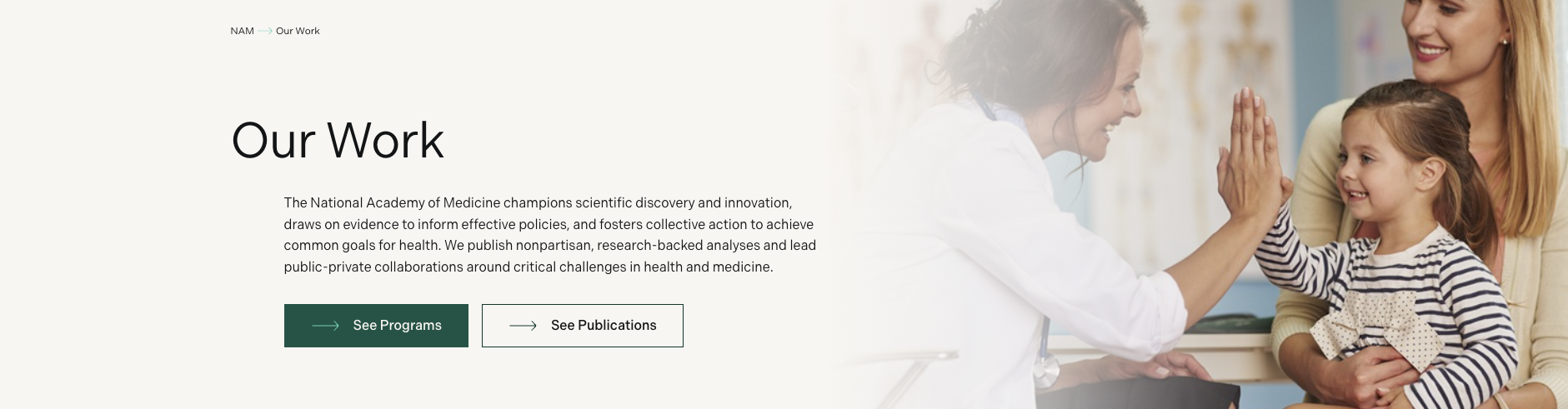
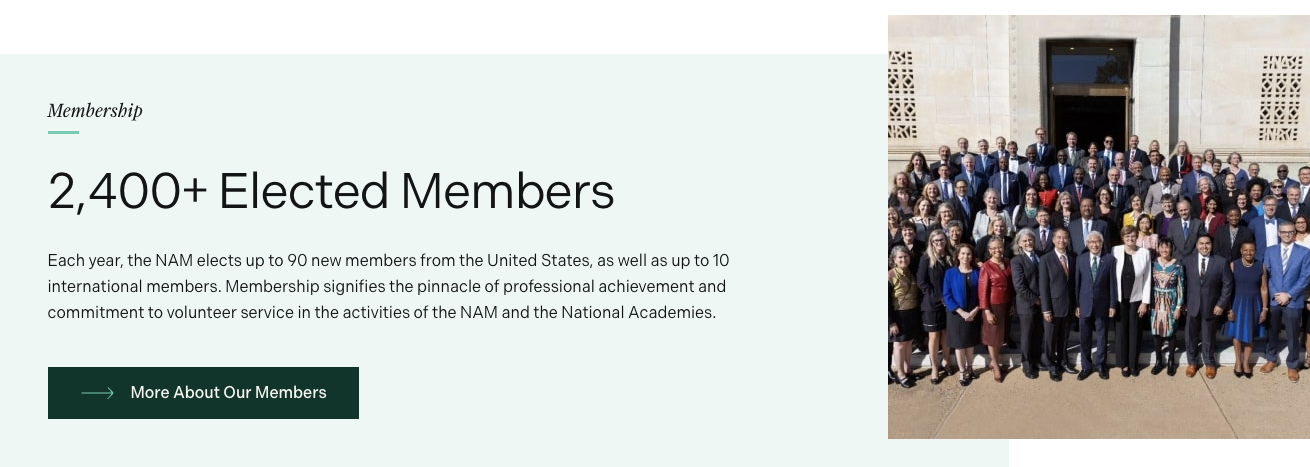
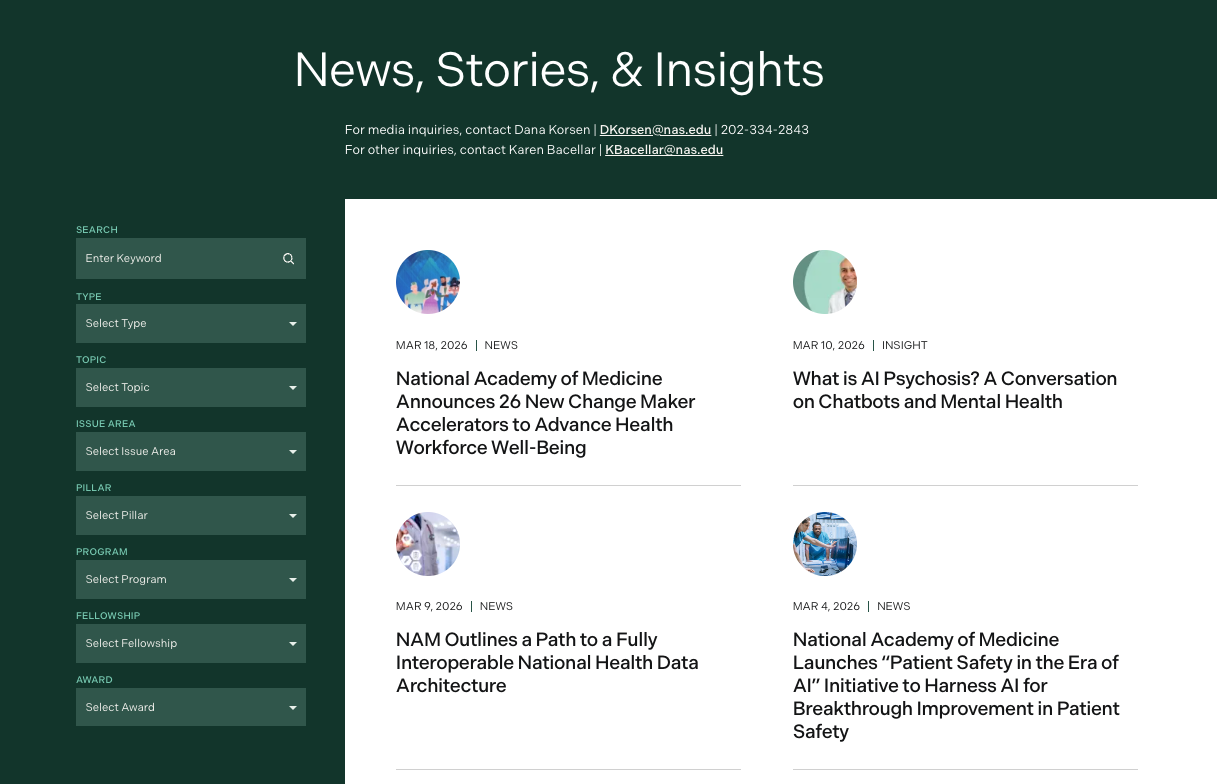
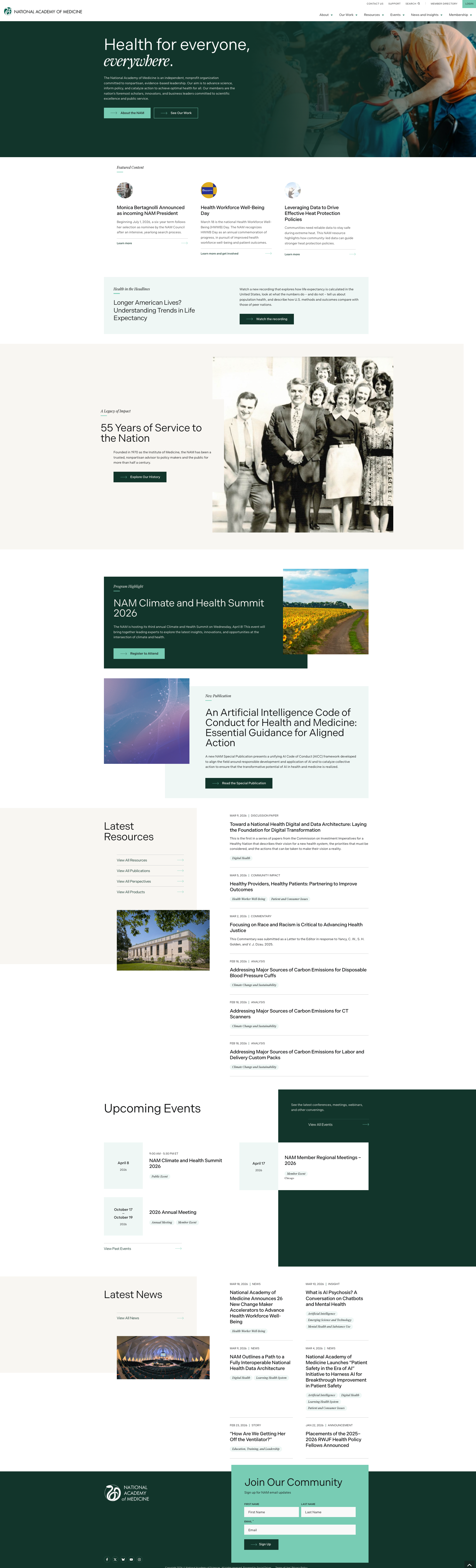
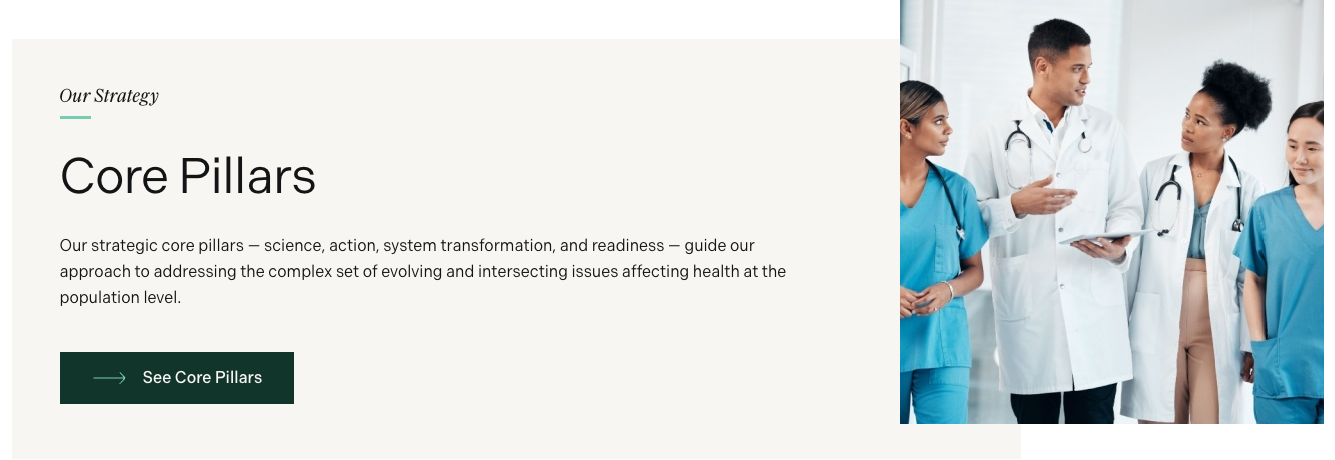
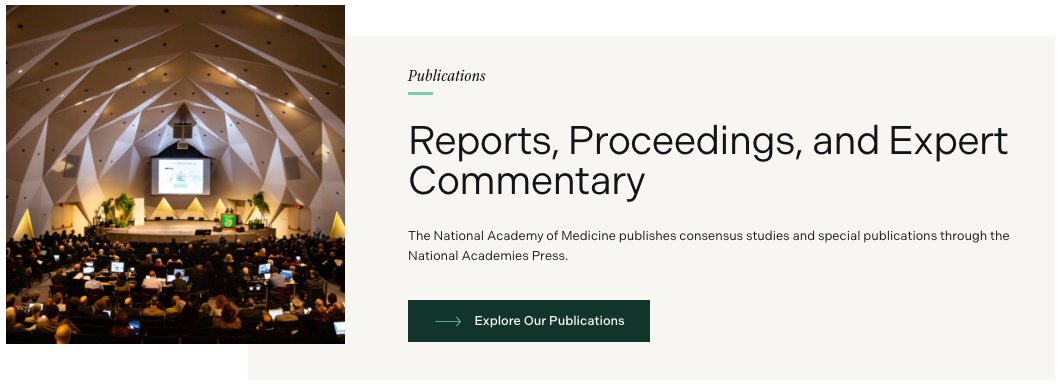
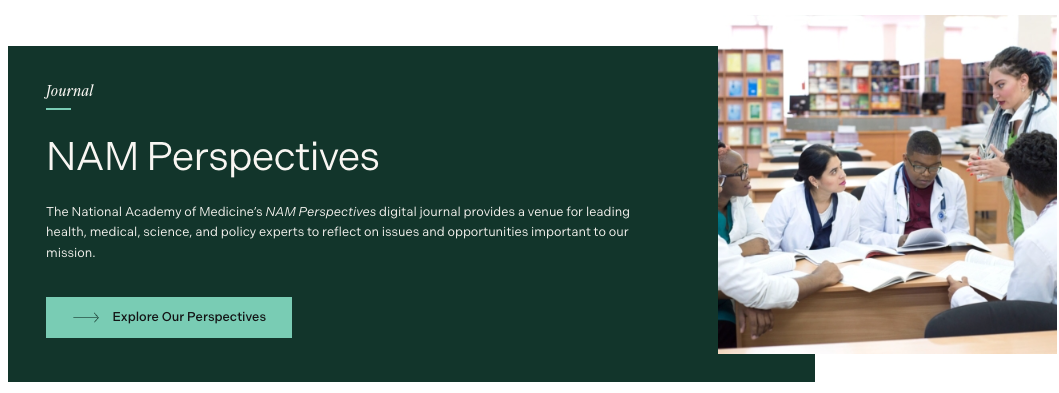
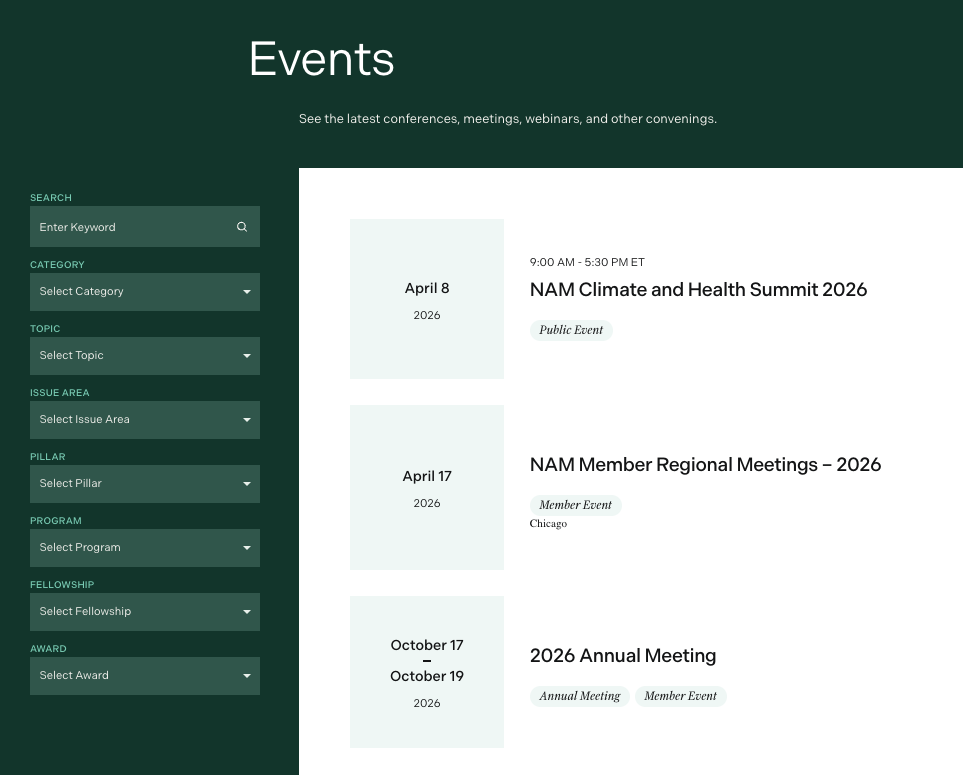
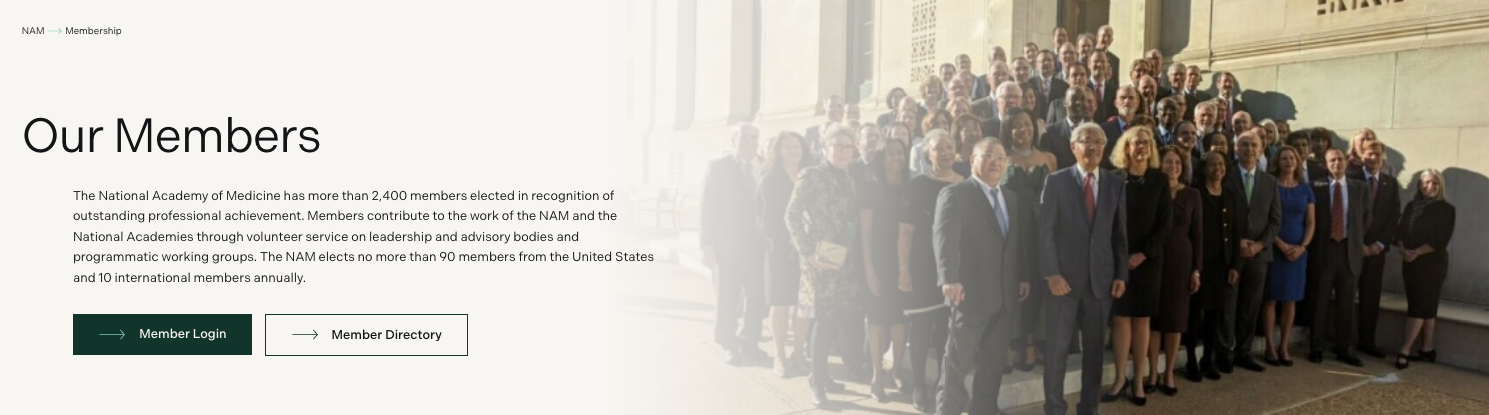
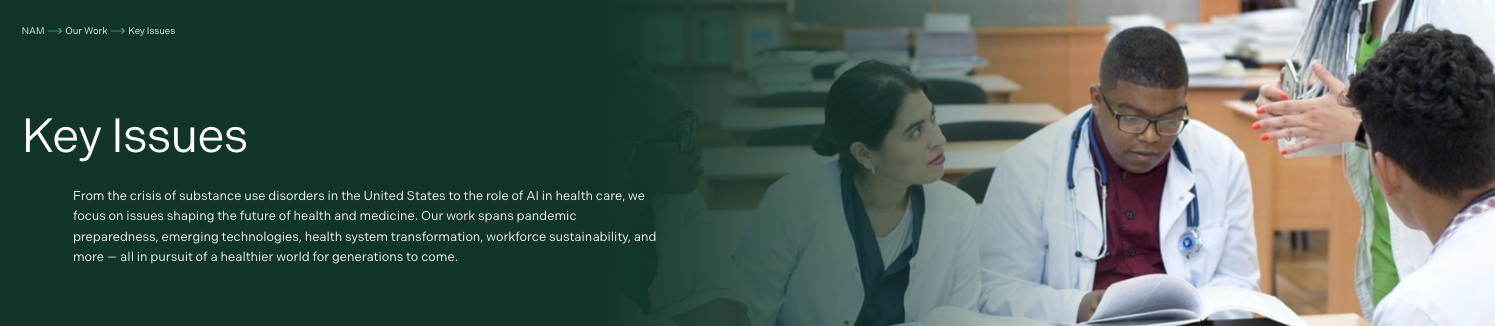
From that strategic foundation, we redesigned NAM.edu as a reimagined front door for a broader public. For the first time, the site balanced research with storytelling, making NAM's work relatable and legible beyond academic circles. We restructured navigation around issues and topics rather than internal program names, so users could find relevant content based on what mattered to them. We modernized NAM's brand voice, shifting it from cold and research-oriented toward something that remained rigorous but felt welcoming, personal, and inclusive. We created consistent design templates to reduce cognitive load across long-form content. And we highlighted NAM's distinctive membership structure, its greatest differentiator, more prominently throughout the site to reinforce trust and credibility.
We then extended the strategy across digital channels. The site was fully search engine optimized to reach NAM's expanded audiences through organic discovery. And we developed a social media channel strategy that mapped different platforms to different audience segments, recognizing that each channel serves a distinct community in a distinct way.
Results
A Trusted Voice for a Wider World
The result of this multi-year partnership is a National Academy of Medicine that speaks with the same authority it has always had, but now to a far wider audience. NAM.edu is no longer a destination only for insiders. It is a resource for the clinicians, nonprofit leaders, families, and community members who need credible health guidance most.
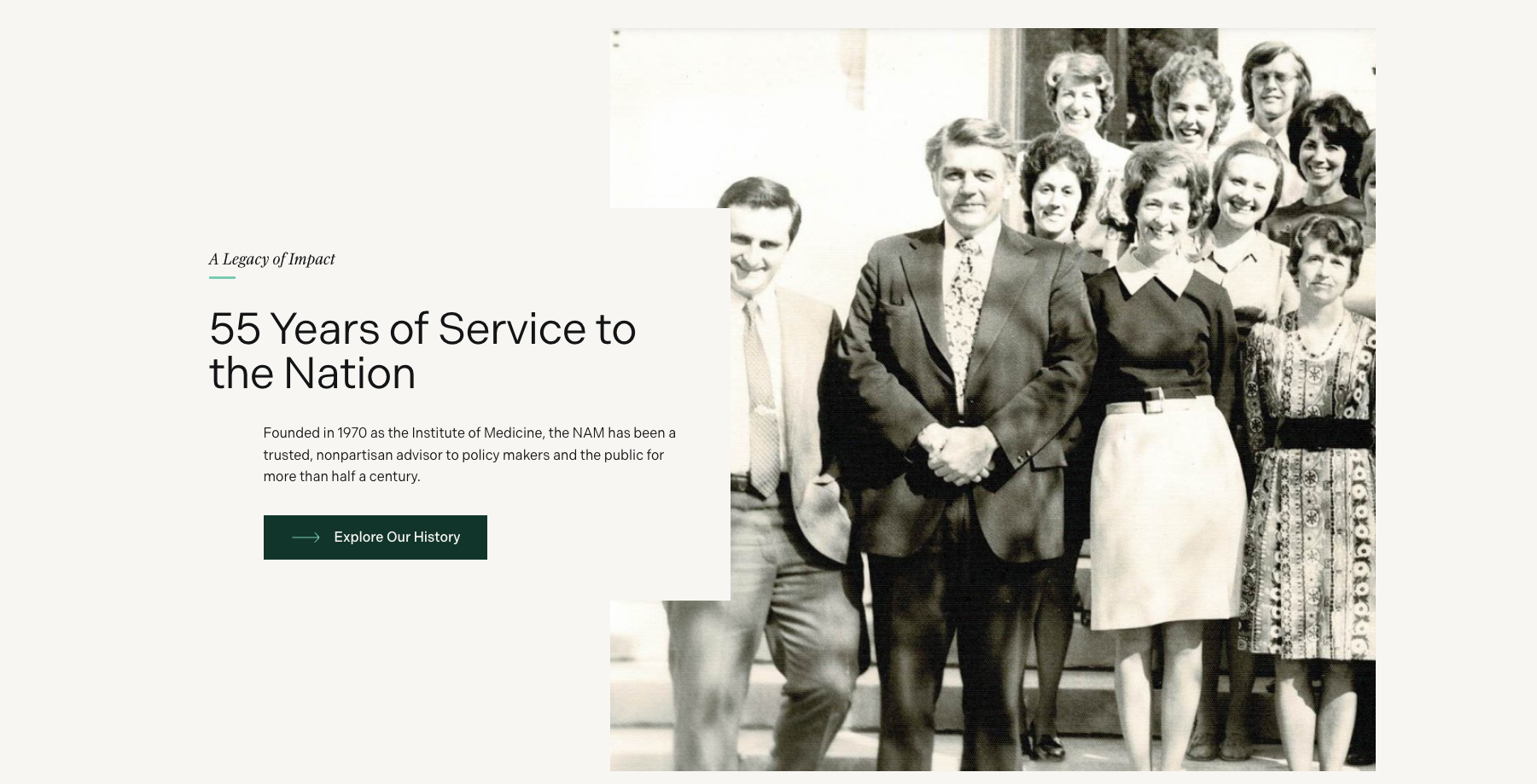
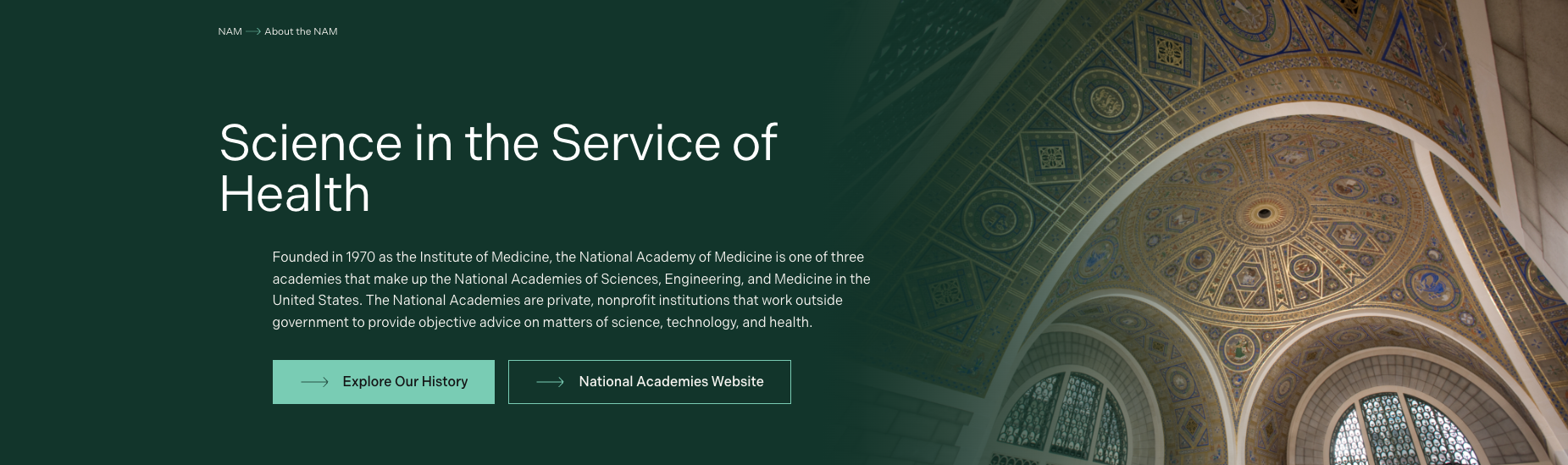
By integrating storytelling, plain-language communication, audience-driven architecture, and issue-based navigation, Social Driver helped NAM close the gap between world-class research and real-world understanding. A fully optimized, mobile-responsive site and a platform-specific social media strategy ensure that evidence-based health guidance reaches people across every channel, device, and level of health literacy. The About page, once buried in the site, became the third most-viewed page in 2023, a signal that audiences were actively seeking to understand who NAM is and why their independence matters.
4 Years of Partnership
From audience research and findings report to website launch and social media channel strategy, a comprehensive and sustained digital transformation.
7 Strategic Recommendations
Social Driver's findings report outlined seven audience, content, design, and SEO recommendations that guided the full engagement.
5+ Distinct Audiences Served
Grew NAM's communications from two primary audiences to include clinicians, nonprofit leaders, patients, students, and community members.
#3 Most-Viewed Page
The About page climbed to the third most-viewed page on NAM.edu in 2023, reflecting a new public appetite to understand NAM's mission and membership.
No items found.
No items found.
No items found.
No items found.
No items found.
No items found.


Experience
digital with us.


